How to Secure the Local Permits and Logistics for Muharram Charity Meals Distribution
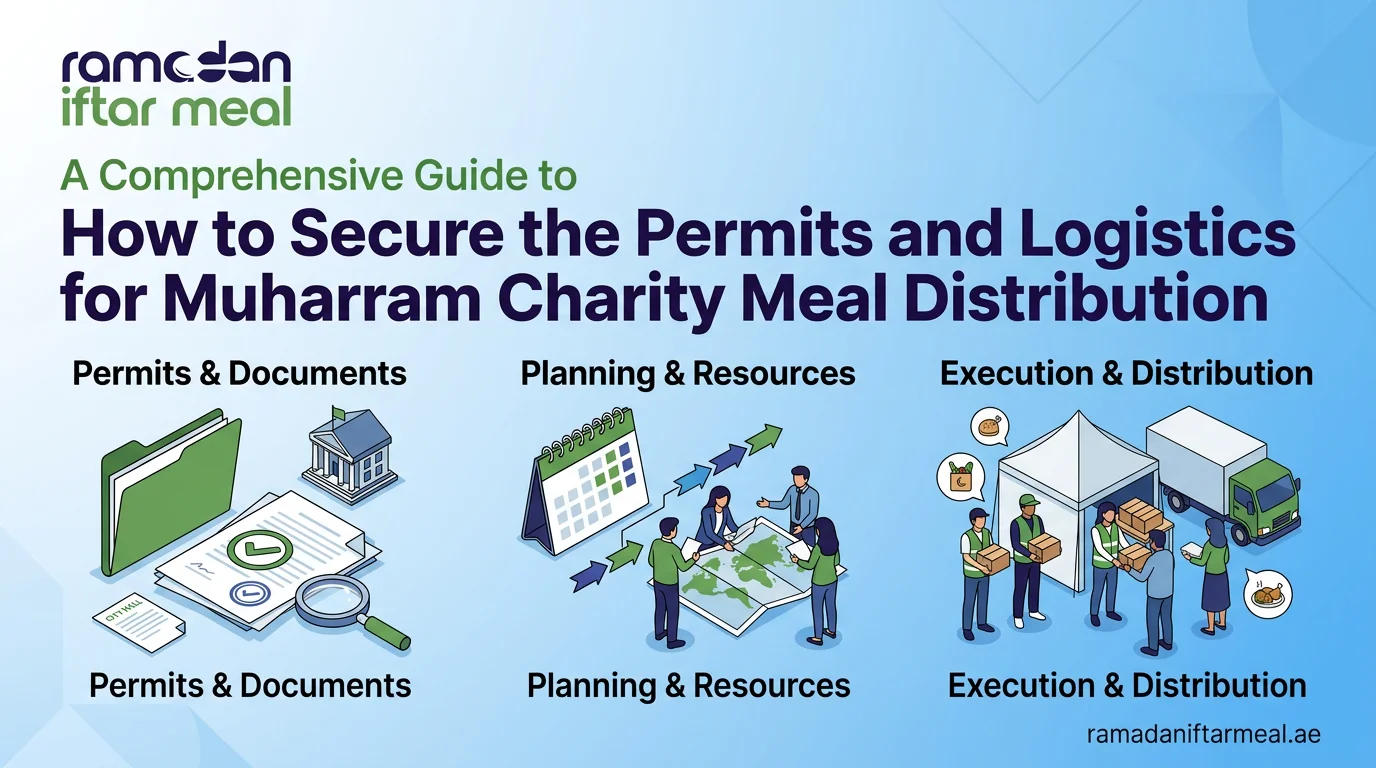
Muharram is a sacred month that marks the beginning of Islamic Hijri New Year. In Dubai, this time stands for a deep self-reflection, gratitude and community care. The spirit of giving comes alive as the key community groups, local residents and business companies look for meaningful ways to support the needy communities. Providing freshly prepared food through well-organized Muharram meal charity Dubai allows individuals to share their blessings and provide essential meals to low income families, workers and the needy communities. Muharram charity meals distribution campaigns need a clear and transparent system of food distribution and complying with local rules by Islamic Affairs and Charitable Activities Department, IACAD. This simple guide provides a comprehensive system on how the charity meals are arranged from securing official permits to executing transportation, delivery and crowd management while organizing a large-scale meal distribution campaign.
Exploring the Legal Framework: Securing the IACAD Permit
The most important step in organizing any food campaign in Dubai is securing formal authorization form the IACAD. Under the local law, individuals and non-verified entities are restricted from collecting funds or independently managing bulk quantities of food in public spaces.
How is the Permission Secured from IACAD?
To distribute meals in Dubai, organizers must submit a formal request through an online portal of IACAD or by calling their hotline at 800600. The application process typically requires 15 working days. So, planning meals and securing permissions in advance is the key to success.
Documents Required
While you apply for your digital permit application, you need to provide verification of your specific data:
- Identification of the Applicant: A valid official corporate registration or an Emirate ID is required.
- Verification of Food Supplier: The commercial license, the name and food safety of the food supplier is required which is responsible to prepare meals.
- Detailed Meal Distribution Plan: The exact dates, specific target areas and time of distribution for the food campaign is required.
Collaborations
If you are a local resident or running a private business without an established valid charity license, the simplest way to legal compliance is to collaborate directly with a licensed charity organization of UAE. Many established entities like Emirates Red Crescent, Dubai Charity Association and Dar Al Ber can help you sponsor your food campaigns and can facilitate gaining legal clearances through IACAD.
Working with a Certified Bulk Meal Supplier
Dubai’s Municipality enforces strict compliance related to food safety and public health. Under the local laws, you can’t distribute home cooked meals to the general public for large scale charity. You must work with a certified bulk meal provider like Ramadan Iftar Meal in Dubai that can understand the legal requirements involved for a mass scale meal distribution.
Food must be prepared in licensed restaurants, commercial kitchens and hotel facilities that complies well with local food and hygiene standards. When choosing a meal supplier for mass Muharram food distribution, you need to verify the following essential operational requirements:
- Clean and Hygienic Packaging: Fresh meals (like Biryani and Pulao boxes) must be securely wrapped, properly sealed and transported in a food grade packaging. Meals must be protected from contaminants and dust.
- Temperature Control: The meal provider must utilize specialized transportation vehicles to ensure food stays fresh, hot and safe from the kitchen to the desired location for distribution.
- Meal Supplier’s Capacity to Prepare Bulk Meals: Work with reliable and well reputed commercial bulk meal providers that are capable of managing meals in bulk quantities ranging from 500 to 60,000 plus meals per day.
Choosing Strategic Distribution Points
Securing the IACAD permission demands that you must outline the exact drop off points. Generally, the local authorities restrict food in highly congested public areas. High traffic, open streets and high traffic intersection points maintain traffic disruptions and public safety.
The most common points for Muharram food distribution include:
- Religious Gatherings in Mosques: Coordinating with mosque imam enable meal sponsors to feed large crowds of daily worshippers and people who have gathered for religious teachings.
- Industrial Labor Camps: Large labor housing communities located in the key industrial zones like Jebel Ali, Al Quoz, DIP and Sonapur house large communities of workers.
Conclusion
An effectively managed Muharram charity meals distribution drive requires well-organized planning in advance and to uphold dignity of all beneficiaries. By carefully planning logistics and compliance with IACAD guidelines, your charity meals can bridge the gap safely, ensuring that nutritious food reaches the most valuable segments of society in the sacred month of Muharram.
