
Managing Bulk Iftar Distribution in Dubai: Critical Mistakes to Avoid
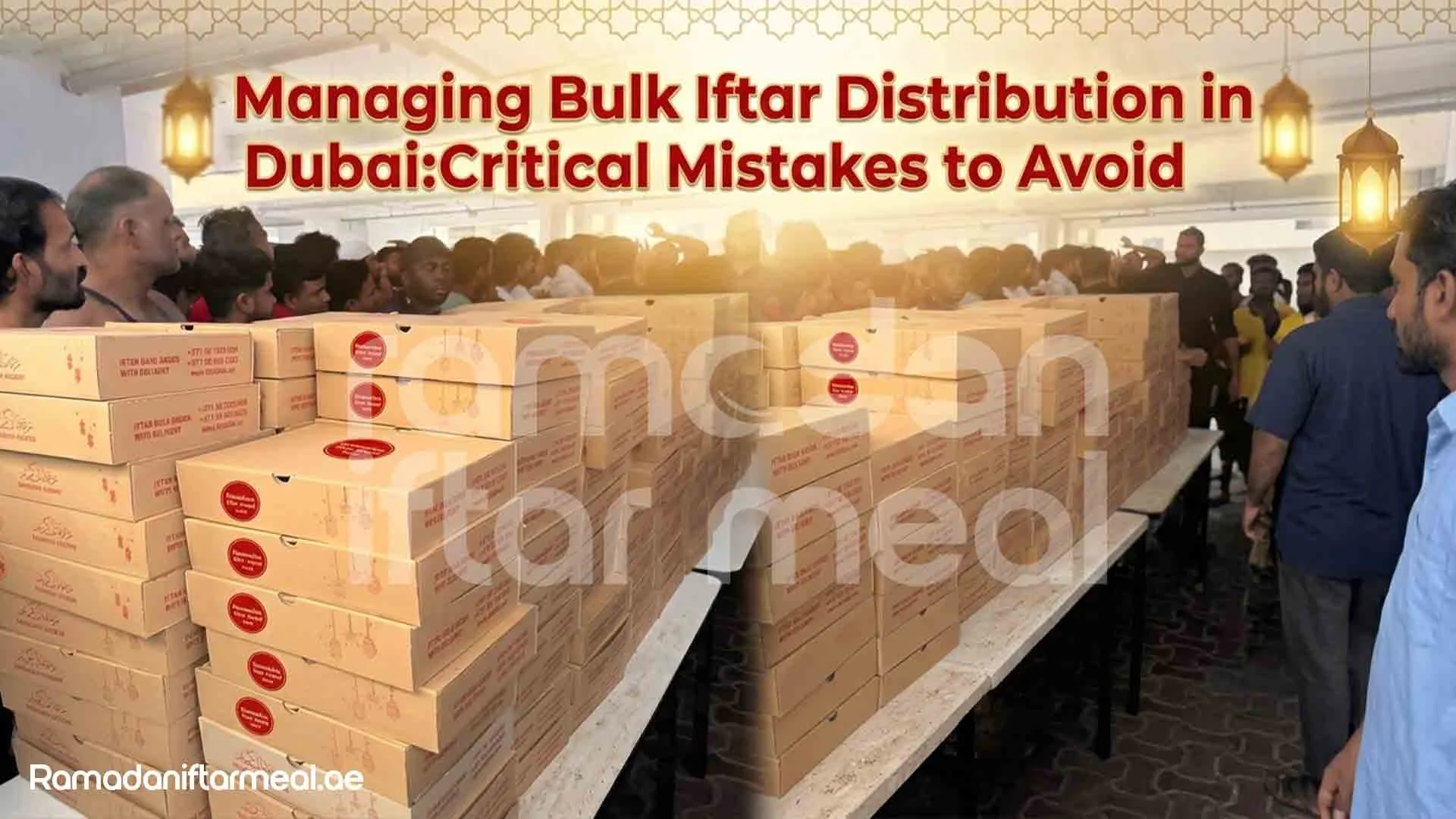
Every year in Ramadan, corporate sponsors, charity organizations and CR teams step forward to distribute thousands of meals to feed people across Dubai. But to organize a large scale meal distribution, pacing orders for bulk meals is not simple as it seems. It rather involves crucial steps like hygiene compliance, accurate budgeting, supplier’s reliability and well-arranged logistics. Just a single step missed may lead to delayed deliveries, food wastage, unhappy beneficiaries and reputational damage.
If your organization is also planning to organize CSR charity initiatives in this Ramadan, avoiding these key mistakes will ensure your operation remains stress-free, smooth, cost-effective and meaningful while managing bulk iftar distribution in Dubai.
Failure to Calculate Accurate Number of Iftar Recipients
One of the biggest mistakes sponsors make is guessing the attendees numbers. Mis-calculating, under-estimating or over-estimating may lead to food shortages or paying extra.
Before planning bulk meal orders always confirm:
- The accurate list of participants
- Occupancy records of a labor camp
- Real estimates of mosque attendees
- A buffer quantity of 5-8% of meals maximum
Accurate headcount ensures every iftar meal reaches those who need it the most.
Choosing a Food Supplier based Solely on Price
Affordability might be a key concern for the majority of the sponsors, but selecting the cheap and affordable iftar meal kits in Dubai is not without risk. Unknown or low cost suppliers may compromise on hygiene, quality, portion size or timely delivery.
A meal sponsor must evaluate carefully:
- Supplier’s market repute and ability to deal high volume iftar meals
- Daily production capacity
- Municipality approvals
- Meal delivery track record to ensure timely delivery of meals during peak hours
An experienced and well-reputed vendor can ensure fair pricing and well-designed premium quality iftar deals, giving key sponsors flexibility of choosing among wide-ranging iftar meal options without compromising on quality.
Neglecting Proper Food Packaging and Food Safety Compliance
Inappropriate packaging can disrupt your large scale distribution efforts. Poorly sealed and low grade meal packaging can increase the chances of food spilling and contamination.
A good quality and conveniently packed iftar meal box must:
- Have food grade packaging material
- Offer clear separation for vegetarian and non-vegetarian food options
- Include properly labelled items
- Maintain temperature while transportation and delivery
Well managed packaging ensures hygiene and efficient meals distribution and labor camps, mosques, and community centers.
Inefficient Delivery and Traffic Coordination
Traffic jams are common during busy Ramadan hours especially close to Iftar time in Dubai. Sponsors often plan their deliveries late, which leads to chaos at the distribution points. To avoid meal delays:
- Confirm drivers’ contact details
- Plan your deliveries 45-60 minutes before Maghrib prayers
- Dedicate on-site volunteers and coordinators
- Map traffic routes in advance
Timely meal deliveries in Ramadan ensure Ramadan iftar meals are delivered timely and fresh.
Poor Planning in Iftar Distribution
Even well-prepared meals fail without organized planning. Large-scale iftar gathering requires well-structured queues, crowd flow control and proper allocation of volunteer teams at key distribution points.
For a streamlined meal distribution operation:
- Assign a distribution team manager
- Keep backup volunteers available
- Store additional iftar kits for emergencies
- Separate serving areas if needed
Strong management and coordination helps maintain efficiency and dignity during Ramadan charity distribution.
Complicating the Menu
Sometimes the sponsors choose extended menus for Ramadan charity distribution. Complicated dishes lead to slow preparation and increase food costs.
Poorly Managing the Unexpected Situations
Unforeseen issues like traffic delays, whether changes or last minute headcount errors are common during bulk iftar distribution. Corporate and individual sponsors who fail to have a contingency plan may face disruptions:
So, always prepare for:
- Back up transportation plan
- Keep an extra of 5% meals stock
- Allocate alternate serving locations of required
Contingency planning helps you protect iftar meal distribution, avoiding unexpected setbacks.
For bulk meals, keep the menu:
- Simple and well-balanced
- Cost-effective
- Nutritious and wholesome
- Easy to be packed
This can help you maintain quality and timely deliveries.
Lack of Post-Distribution Feedback
If you have never collected feedback after distributing meals, it may fail your efforts. Without proper documentation of feedback, it is hard to improve and fix future disruptions. After meal distribution:
- Record meal quantities which are delivered
- Document them with photos
- Gather on-site feedback
- Assess budget vs actual spending carefully
Continuous feedback and development ensure future iftar distributions go more efficiently and impactful.
Conclusion
Organizing bulk iftar distribution in Dubai requires more than just feeding people, it demands strategic planning, choosing reliable food suppliers, managing logistics and onsite delivery and distribution. By avoiding crucial mistakes like inaccurate headcounts, sub-standard packaging, and delivery mismanagement can help you ensure a streamlined and impactful iftar distribution in the blessed month.
A well-planned meal distribution system can save your costs and ensures that every meal is served with care during Ramadan, contributing to a meaningful community support.
Frequently Asked Questions
Q1. How can sponsors avoid food shortages?
By confirming accurate headcounts and keeping small buffer stock.
Q2. What is the safest packaging option for bulk meals?
Using food grade material, sealed containers with proper labelling are good packaging options for bulk meals.
Q3. Are simple menus better for bulk meals distribution?
Yes, simple meals help reduce cost and enhance operational efficiency.
